$259
per day
| Jan | Feb | Mar | Apr | May | Jun | Jul | Aug | Sep | Oct | Nov | Dec | |
|---|---|---|---|---|---|---|---|---|---|---|---|---|
Kos is one of the main yacht charter bases in the Dodecanese, offering direct access to a sailing area that feels distinctly different from both the Ionian and the Cyclades. Centered around Kos Marina on the island’s north-eastern side, the base combines solid marina infrastructure, straightforward airport transfers, and immediate reach to nearby islands such as Kalymnos, Pserimos, Leros, Patmos, Leipsoi, Nisyros, Symi, Tilos, and Halki. Kos Marina itself sits about one mile southeast of the old harbour and around 25 km from Kos International Airport, with a taxi transfer of roughly half an hour.
1. Direct access to the Dodecanese from the region’s key charter base.
Kos works because it places you right inside the island chain instead of forcing a long positioning sail before the trip really begins. Official and local destination guidance highlights Kos as a natural gateway to both the northern and southern Dodecanese, with nearby routes opening toward Kalymnos, Leros, Patmos, Leipsoi, Nisyros, Symi, Tilos, and Halki. For a one-week charter, that kind of island density is not just useful — it is downright suspiciously convenient.
2. Strong marina infrastructure at Kos Marina.
Kos Marina is the operational heavyweight here. According to the marina’s published specifications, it offers 265 berths across five piers, accommodates yachts from 8 to 80 metres, and also includes an additional 80 berths at Mandraki port as an extension. Its central location in Kos town adds another practical advantage: charter guests are not marooned in a remote industrial corner pretending that “authenticity” makes up for weak marina logistics.
3. Easier travel logistics than many eastern Aegean bases.
Kos is an island base, but not one that punishes you for choosing it. Kos Marina states that it lies within 25 km of Kos International Airport, while charter operators describe the transfer as less than 30 minutes by taxi. In practice, that makes arrivals simpler, provisioning easier, and same-day embarkation far more realistic than at destinations where getting to the boat becomes its own separate expedition.
4. A more active, more wind-aware sailing ground.
Kos is not the place people choose when they want the sea to behave like a swimming pool with paperwork. The Dodecanese is generally more open and more wind-shaped than the Ionian, and operator guidance for the area notes stronger afternoon breezes, with the Meltemi season usually most noticeable from late July through the end of August. That gives Kos a more energetic, more performance-oriented feel, especially for crews who enjoy proper sailing rather than simply relocating a floating apartment between lunch stops.
5. A charter base with real destination value ashore.
Kos is not just a marina with an airport nearby. Visit Greece describes it as one of the larger and more cosmopolitan islands of the Dodecanese, while the island’s official tourism profile highlights beaches, villages, historic sites, and a broad range of activities. In other words, arriving a day early in Kos does not feel like dead time before the charter begins; it feels like part of the trip. A charming little trick, and a commercially useful one.
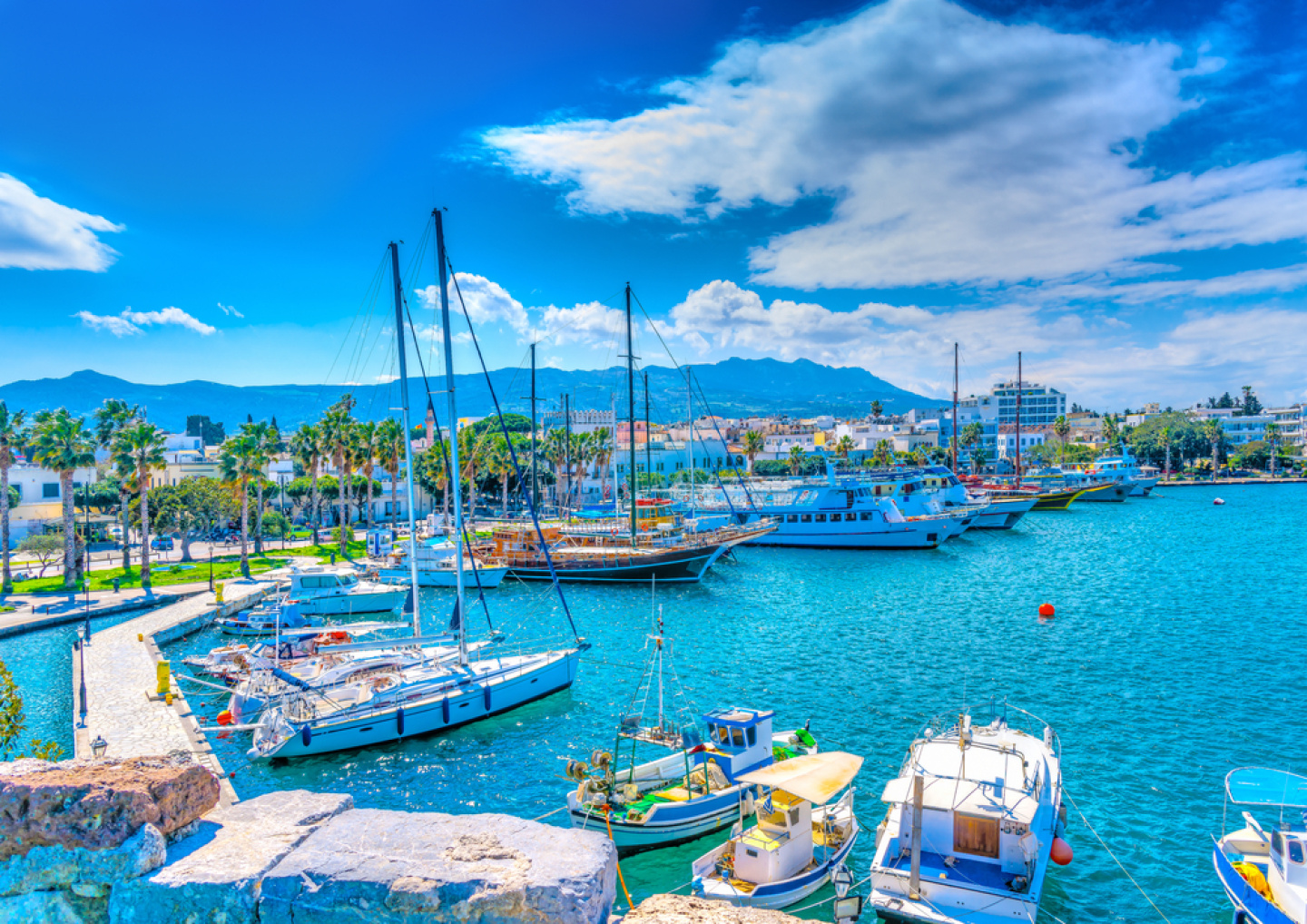
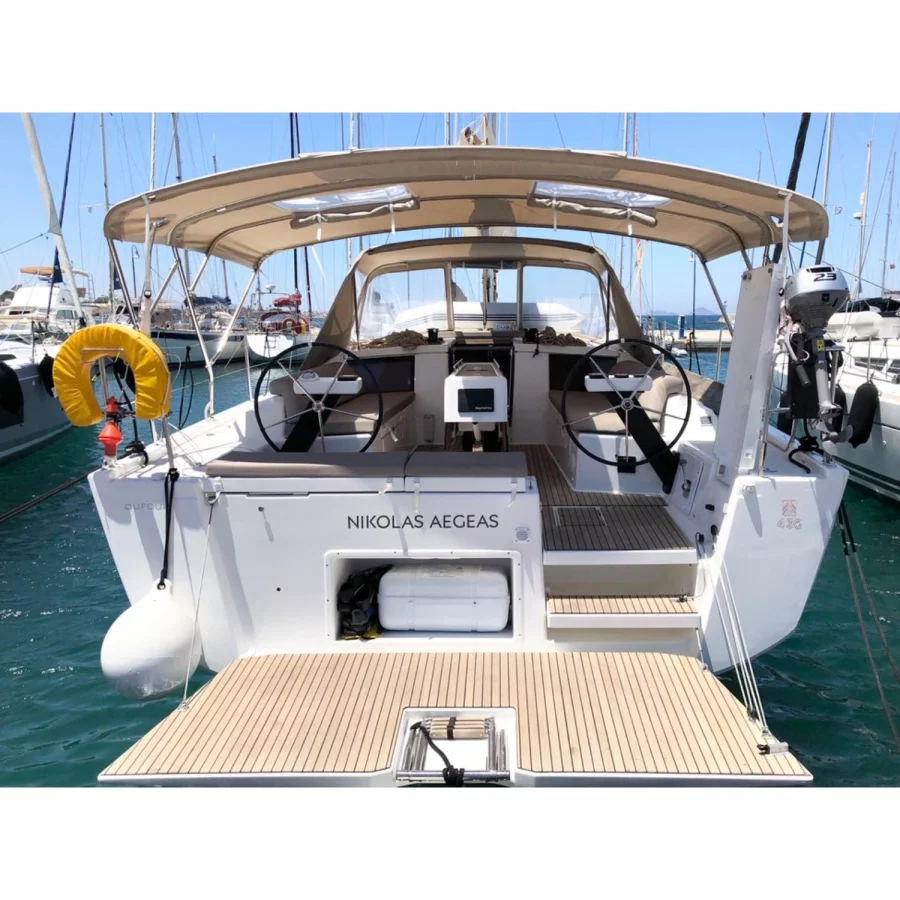
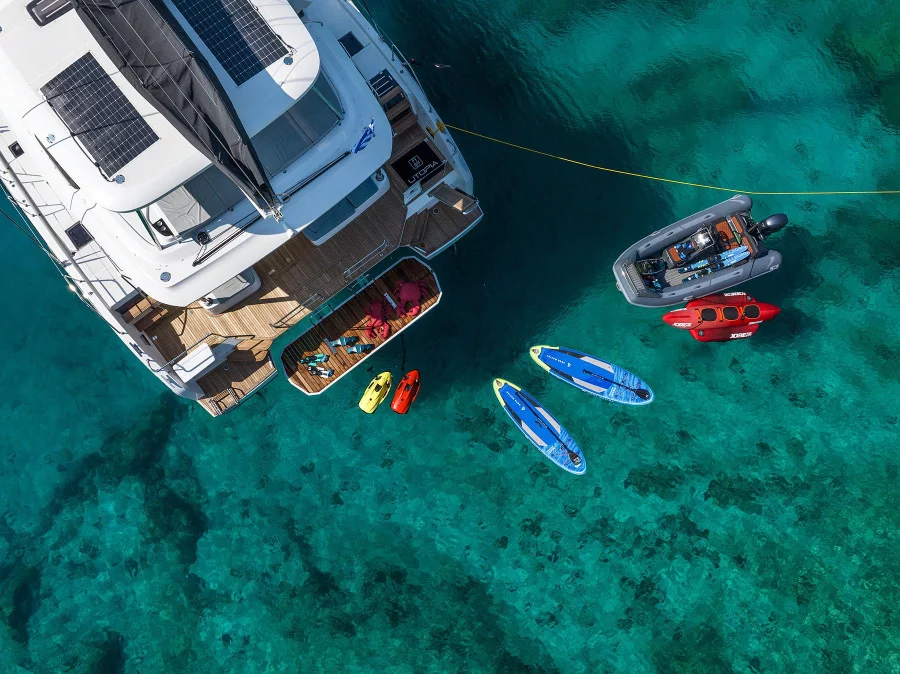
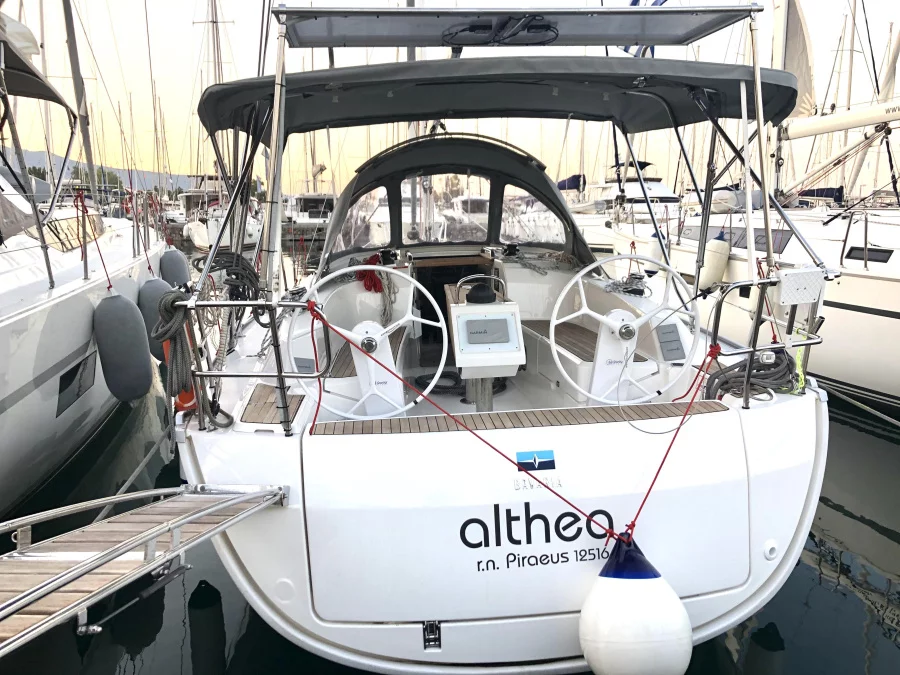
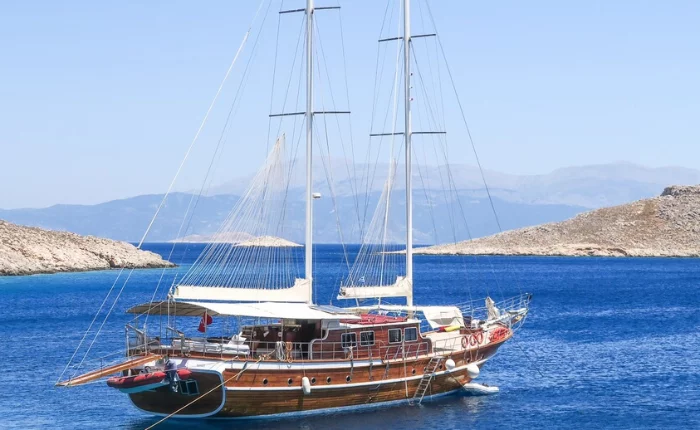
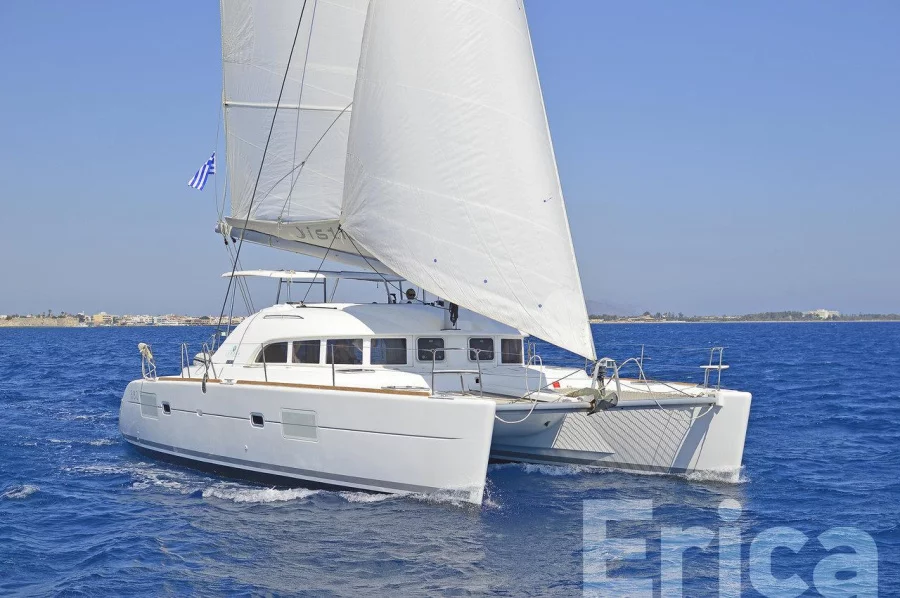
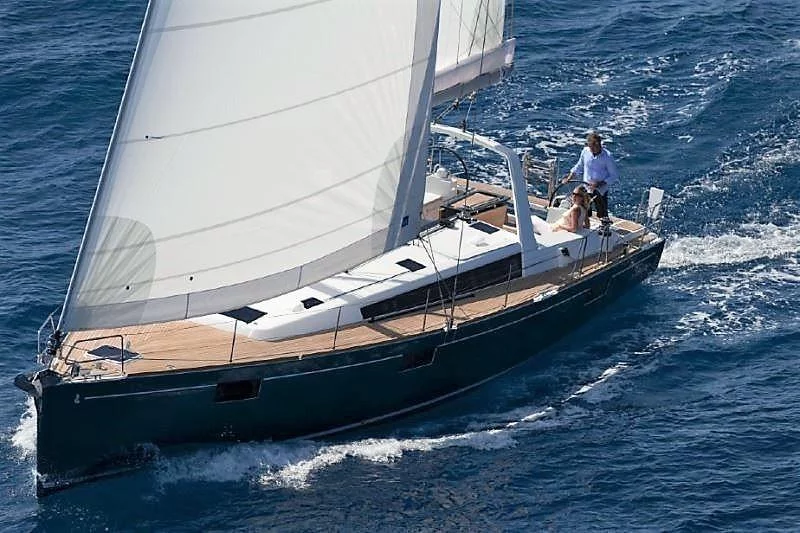
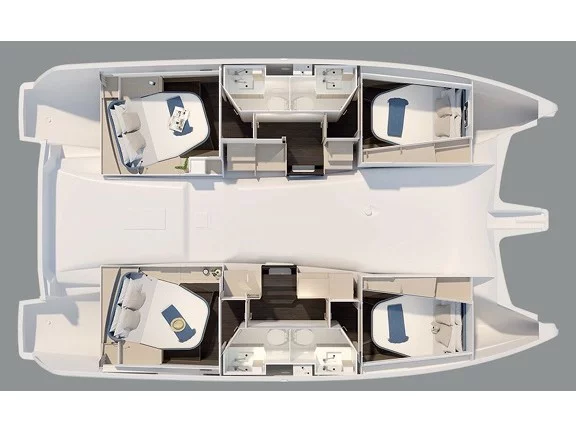
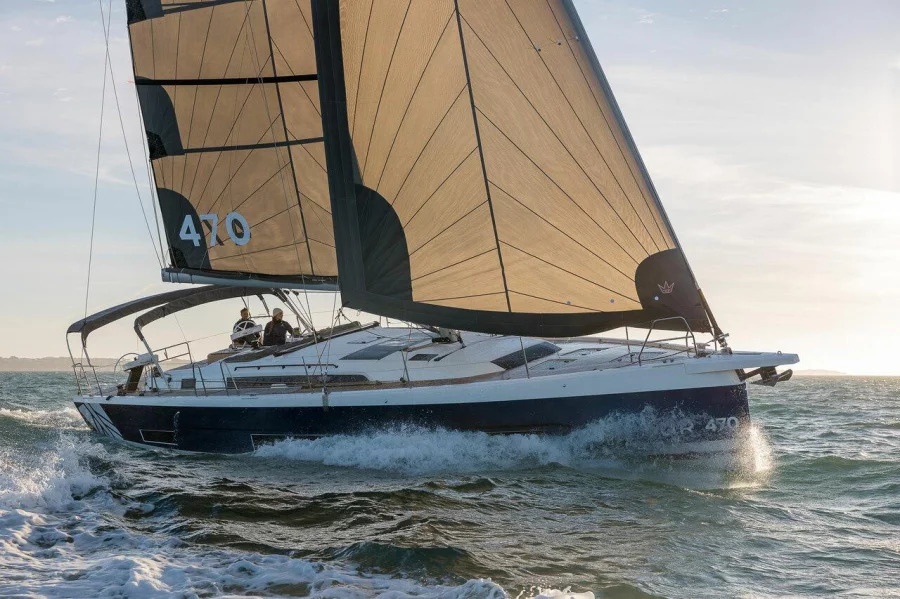
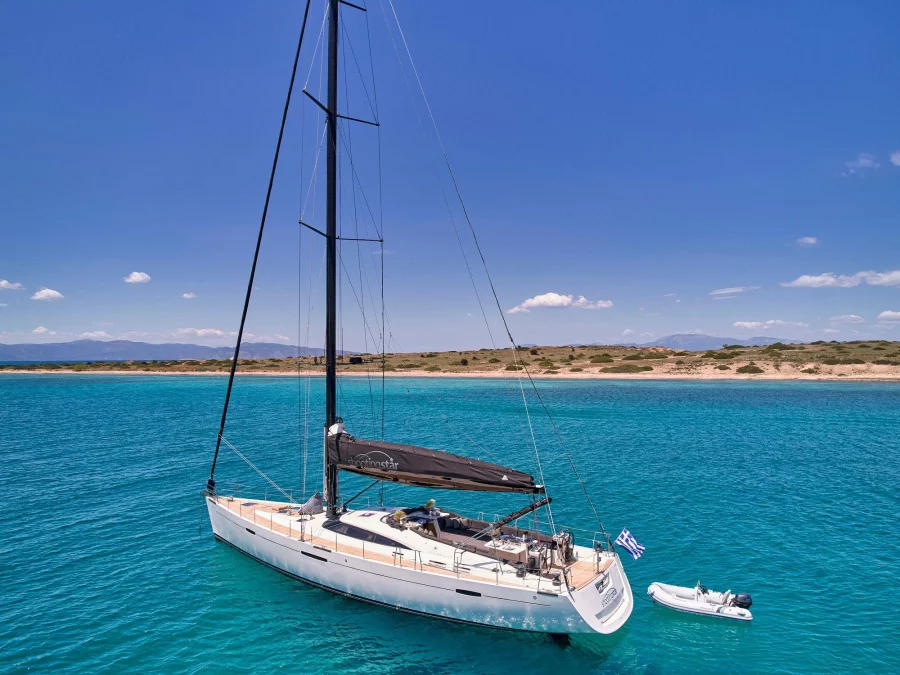
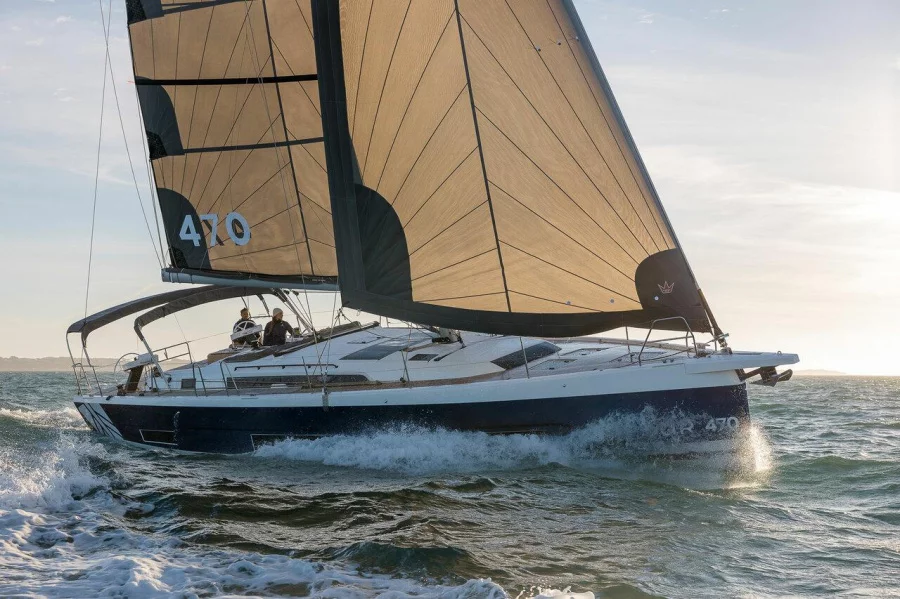
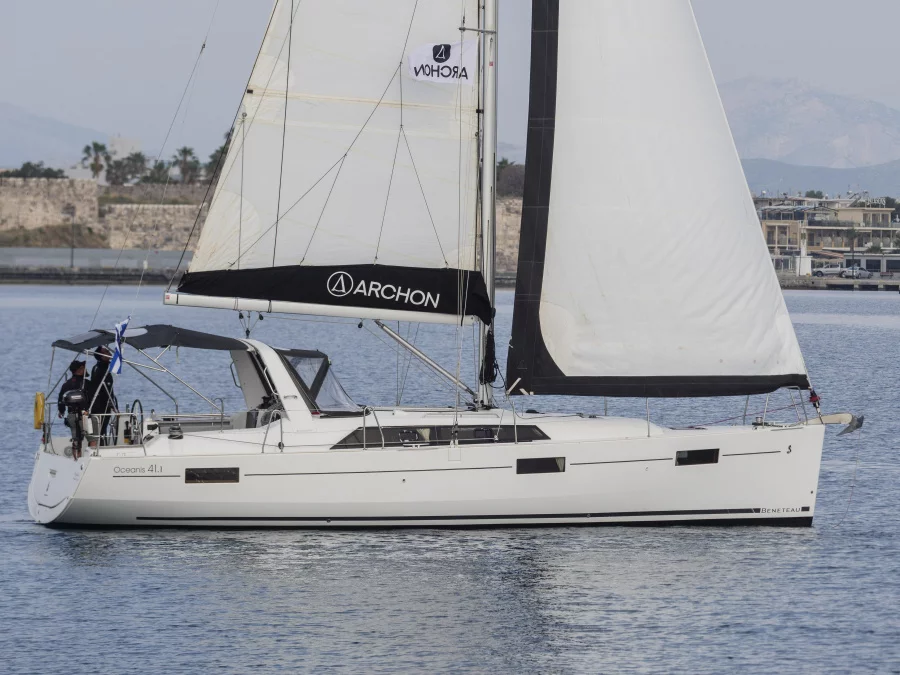
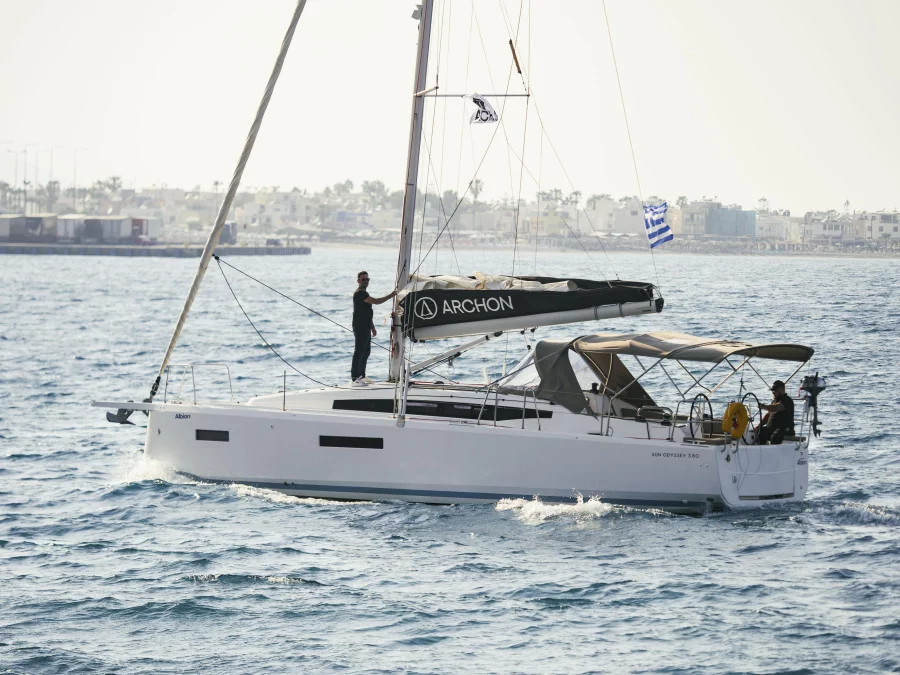
Kos offers a broad charter selection, but the market is especially strong in bareboat sailing yachts and catamarans, with skippered and crewed options also widely available. Charter operators based in Kos explicitly present sailing yachts and catamarans as the core fleet types at the base, while skippered formats are promoted for guests who want the Dodecanese without personally managing every mooring, anchorage decision, and weather calculation.
In practical terms, Kos is usually best for:
Most departures in peak season are sold on a weekly basis, and Kos works particularly well for 7-day itineraries because the surrounding islands are close enough to support flexible route building. At the same time, 10–14 days makes much more sense if the plan includes both northern and southern Dodecanese stops. This is less “quick island sampler” and more “give the eastern Aegean enough time to show its full personality.”
For bareboat charter in Greece, the skipper is generally required to hold a recognized offshore sailing licence accepted by the Greek port authorities, and an experienced co-skipper is also typically required on board. Greek charter guidance states that ICC or equivalent qualifications are commonly used, while operator terms note that no licence is required for skippered or crewed charters, but bareboat rentals require at least one certified skipper and one experienced crew member. Original documents are commonly expected at check-in, which is a neat way of preventing “confident vibes” from being treated as formal qualifications.
In route-planning terms, Kos generally suits crews with moderate to solid sailing experience, especially in summer when the regional wind pattern becomes more assertive. The marina may be civilized, but the surrounding sea still expects decent judgment, realistic daily distances, and some respect for weather windows. The Aegean is beautiful, but it is not emotionally invested in your draft itinerary.
Kos International Airport is the obvious arrival point for this base, and transfer logistics are one of the island’s stronger practical advantages. Kos Marina places itself about 25 km from the airport, with a taxi ride of roughly 30 minutes, while charter operators cite a distance closer to 22 km depending on the exact transfer route. Either way, the point remains the same: getting from the runway to the marina is pleasantly uncomplicated by Greek island standards.
The main charter season in the Dodecanese typically runs from late spring into autumn, but summer is when the regional wind pattern becomes more persistent. Crews who want a livelier sailing experience often lean into mid-summer, while those after a softer balance of weather and traffic usually find late spring or early autumn more comfortable. Kos rewards timing that matches temperament; book the wrong month for the wrong crew and the sea will provide a stern little lesson in self-awareness.
Provisioning in Kos is usually straightforward thanks to the marina’s position within Kos town, and the surrounding area offers plenty of dining, shopping, and pre-departure essentials. That urban convenience matters more than charter copywriters sometimes admit: it keeps turnaround day efficient, reduces transfer friction, and makes the whole base feel like a functioning departure hub rather than just a scenic mooring field with brochures.
Kos combines reliable marina infrastructure, quick airport access, and immediate entry into one of Greece’s most distinctive cruising grounds. For crews who want a Dodecanese charter with shorter island-to-island options, stronger sailing character, and a base that works both practically and culturally, it remains one of the most effective yacht charter starting points in the eastern Mediterranean.
Please wait