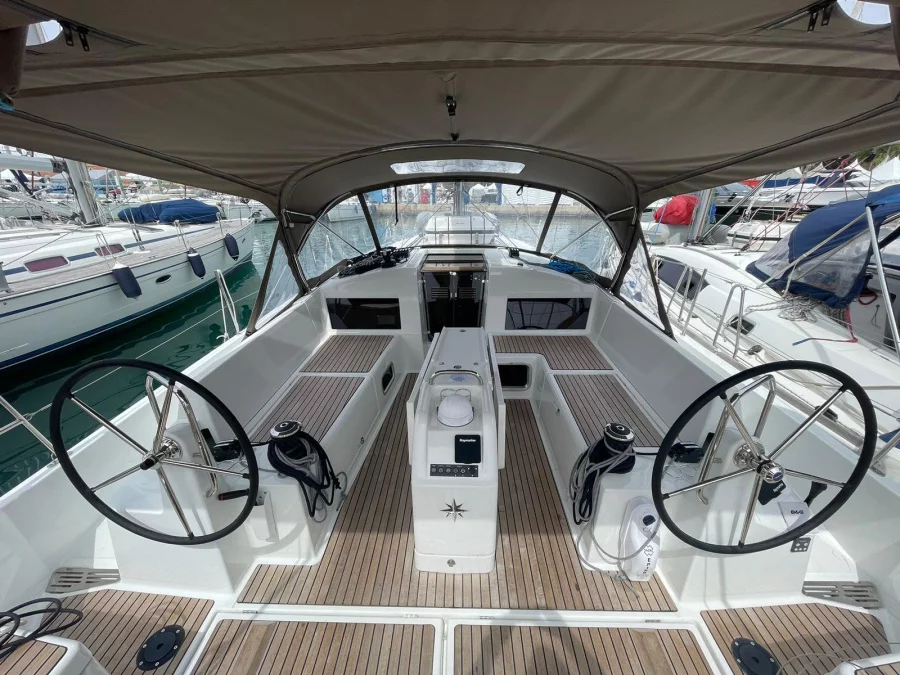
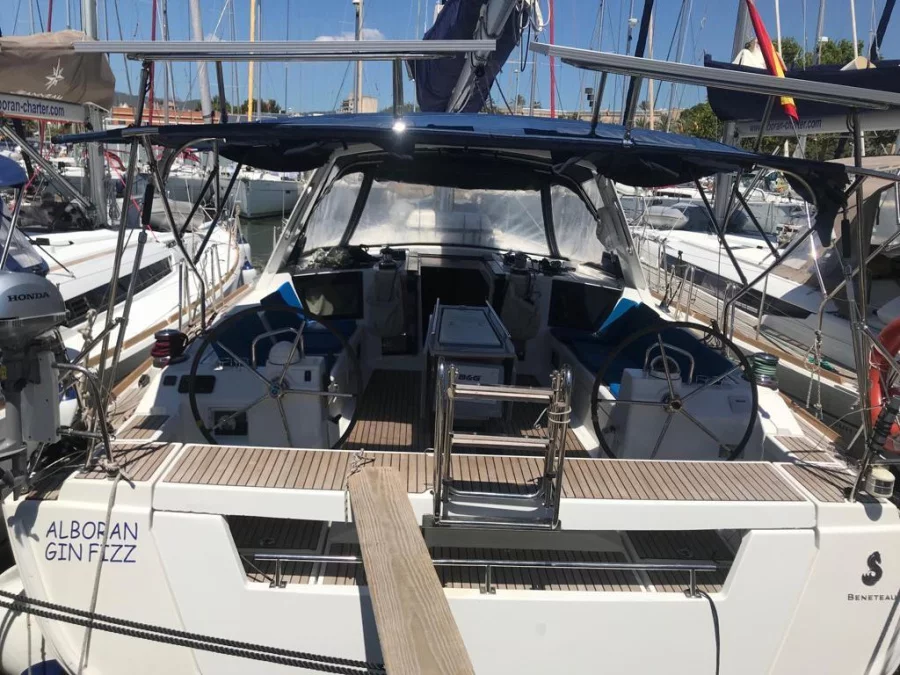
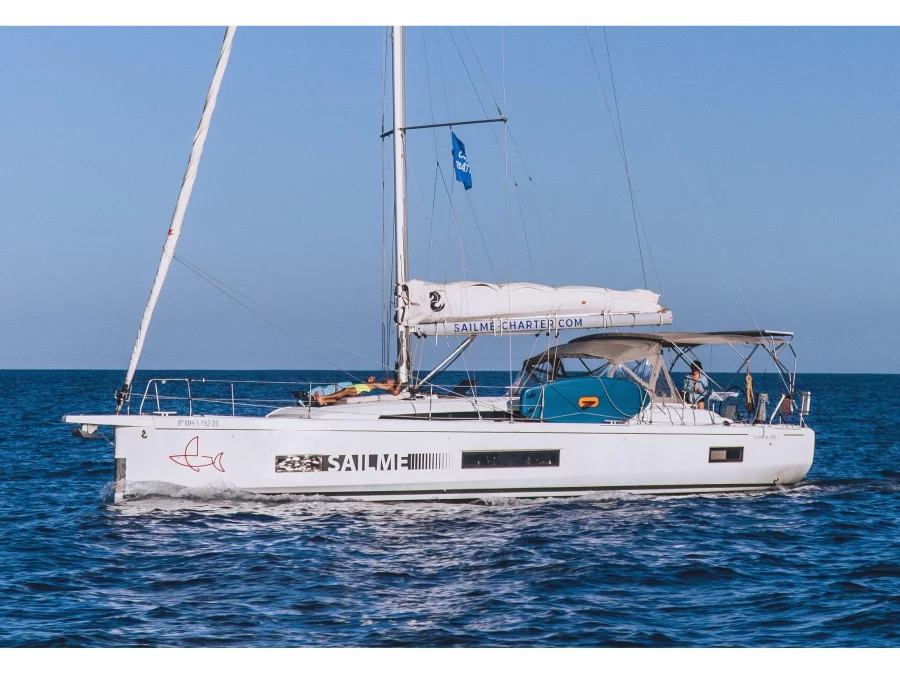
Set sail from Tenerife and embark on an exhilarating exploration of the Canary Islands. Glide across the Atlantic, visiting gems like La Gomera, La Palma, and El Hierro. Each island offers unique landscapes, from lush forests to volcanic peaks.
Day 1Marina San Miguel
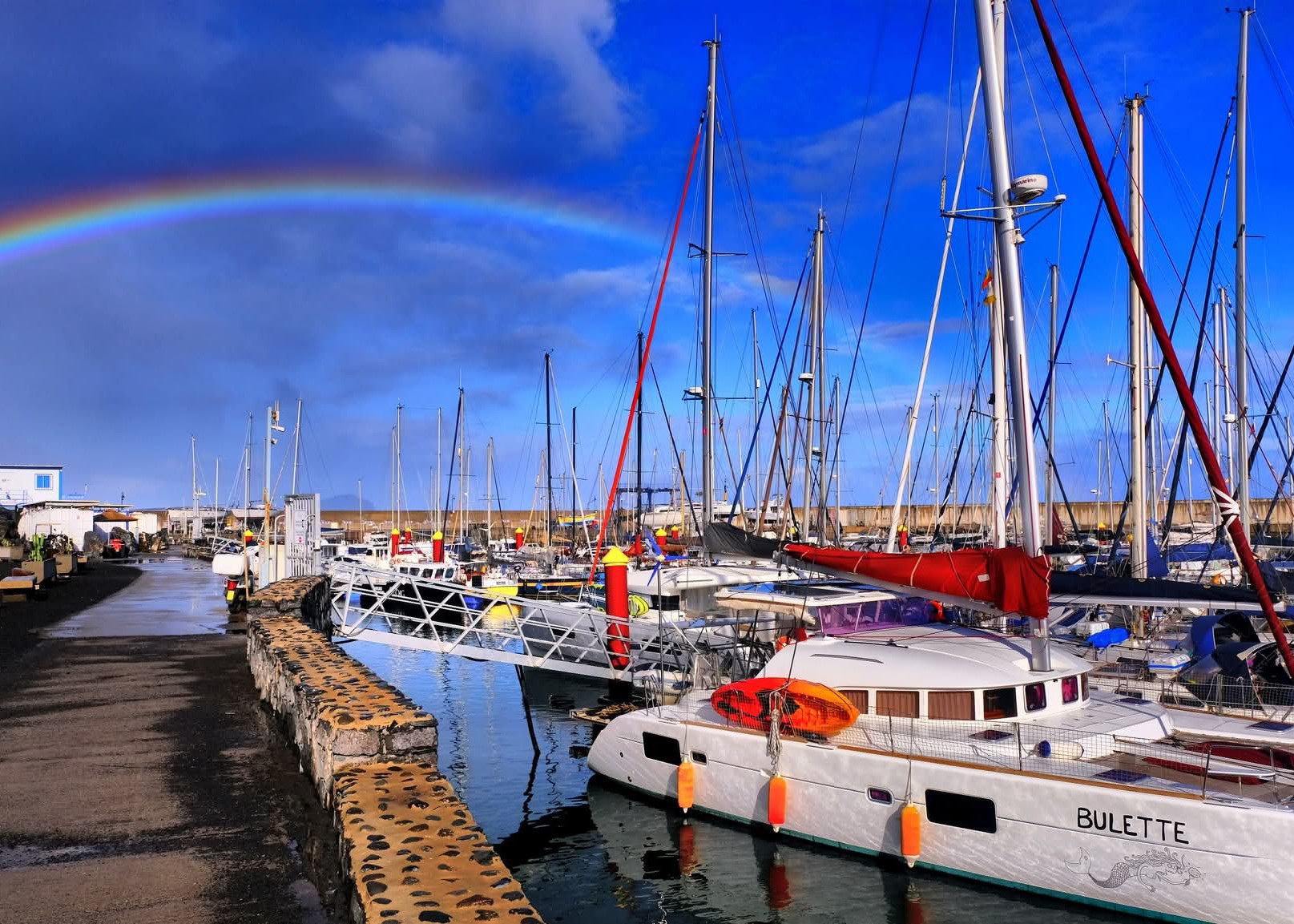
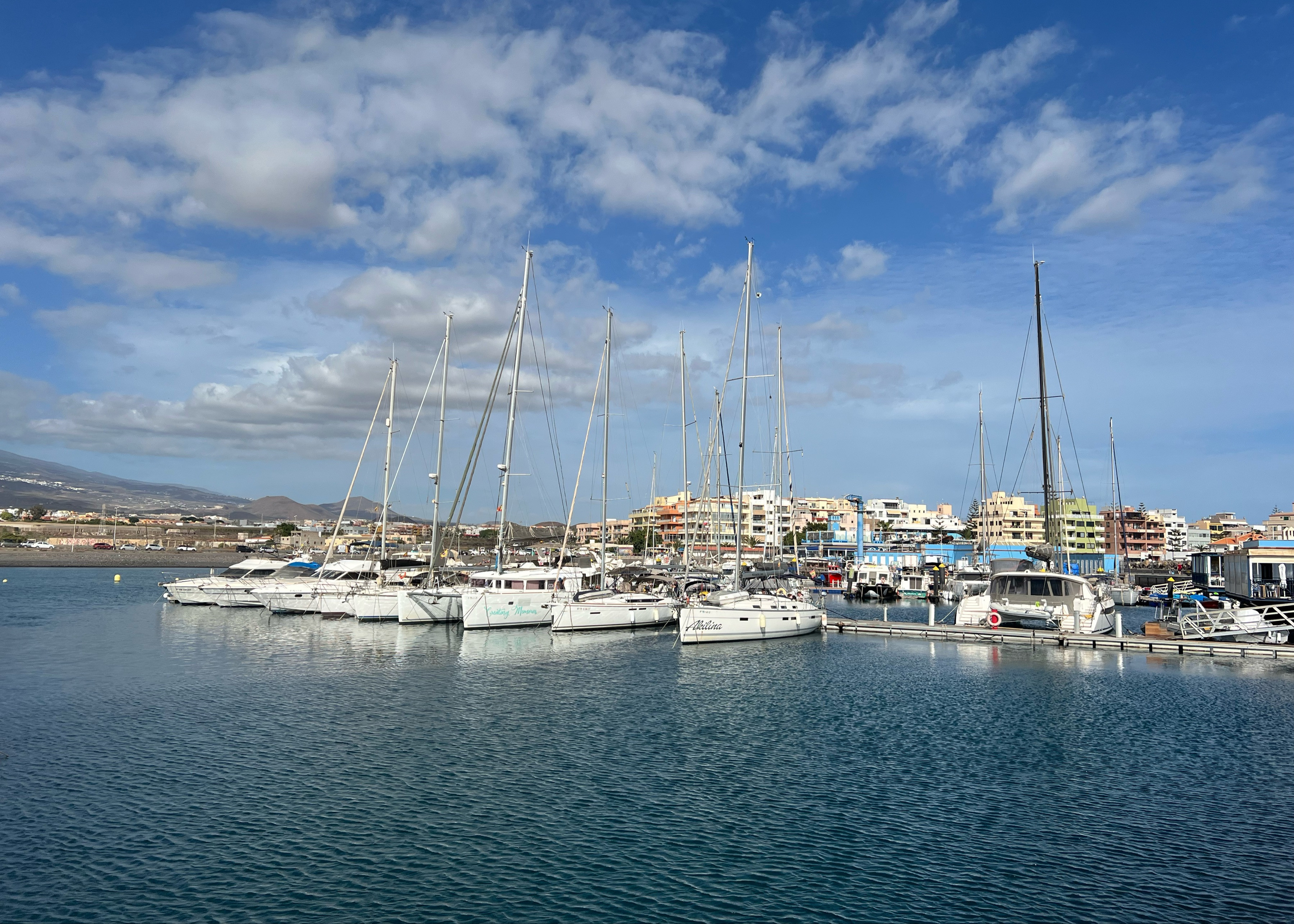
Marina in San Miguel de Abona, is an ideal start for a Canary Islands sailing vacation. Base is very close to the airport (about 8km). The marina is located next to Amarilla Golf, a 18- hole golf course with view to the Atlantic Ocean. Above the marina there are several restaurants with ocean view.
Day 2Los Gigantes
24 nm6 hours
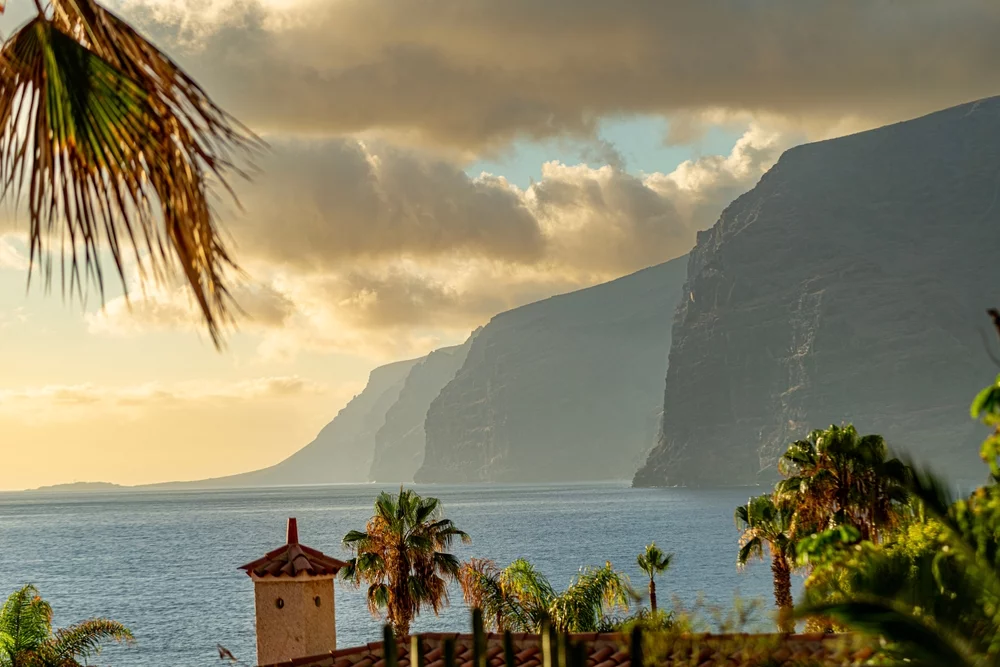
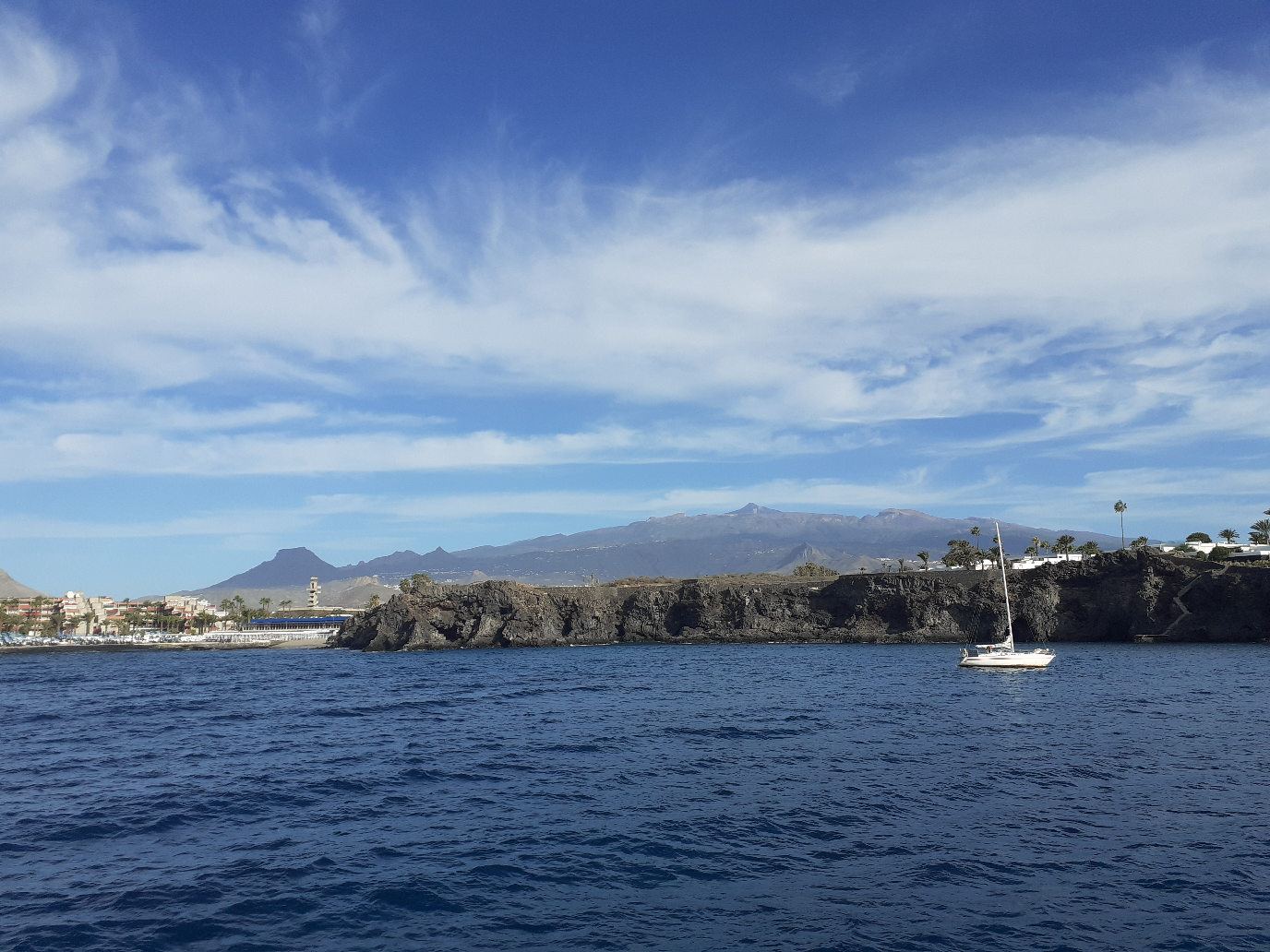
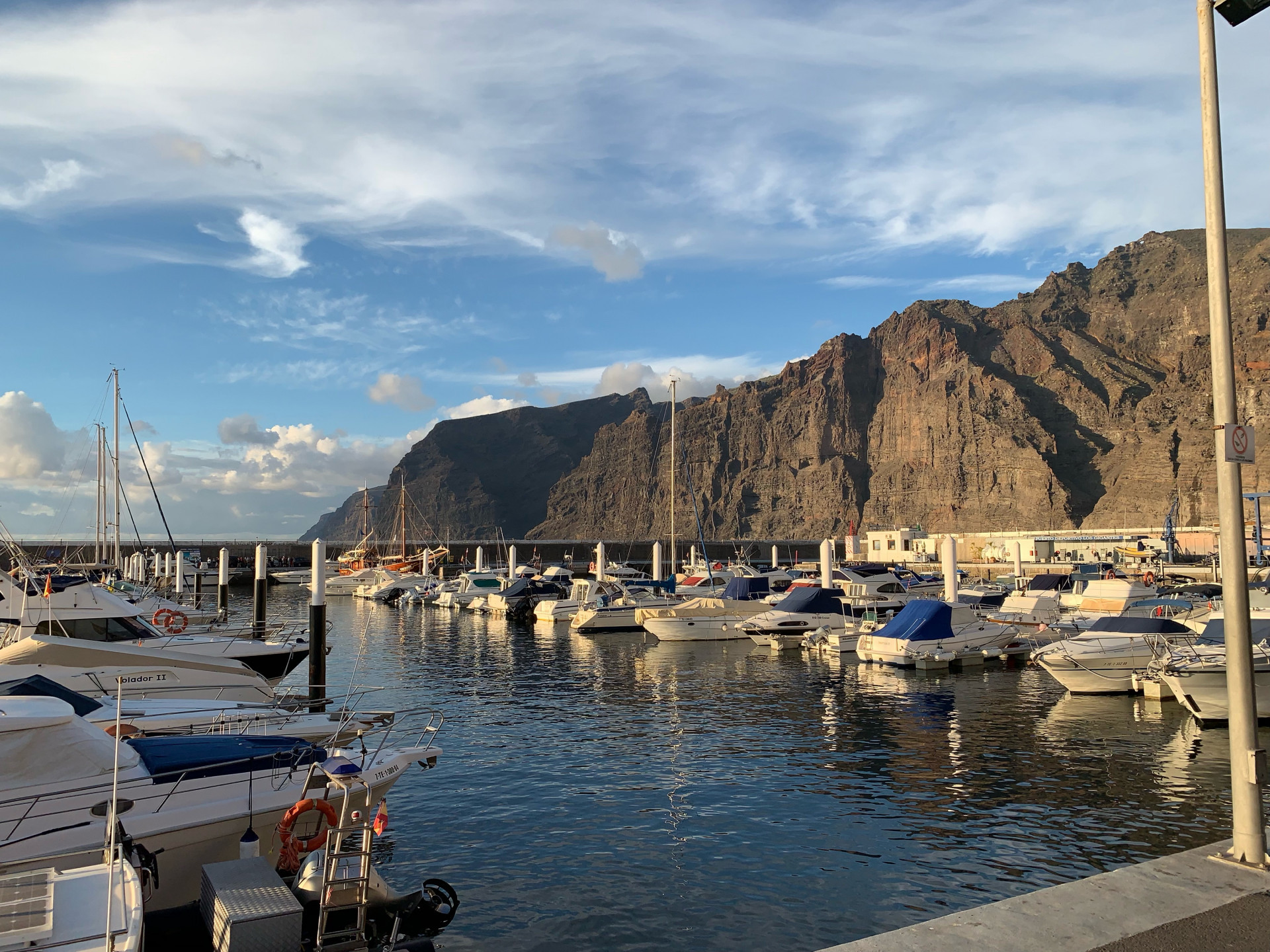
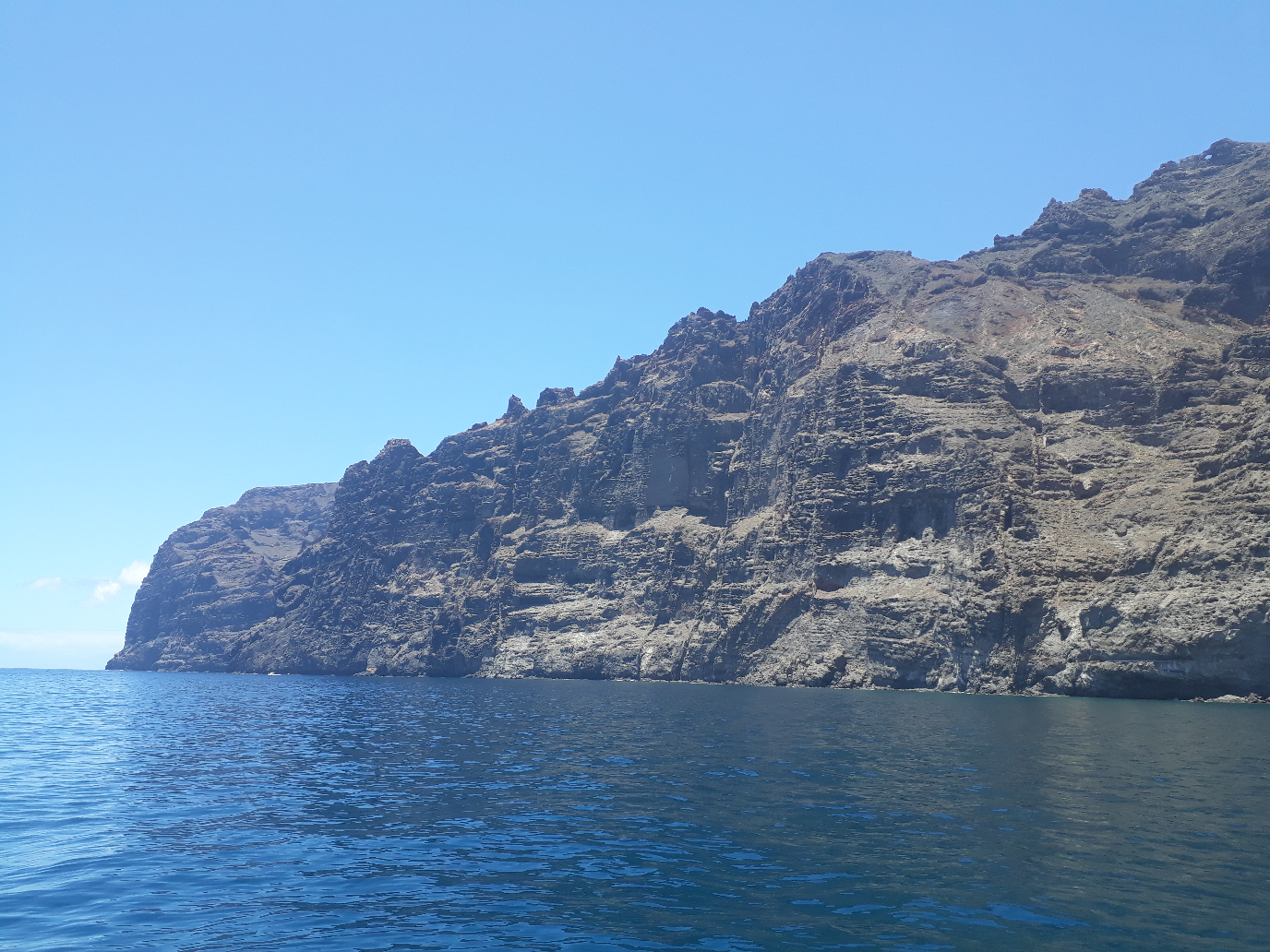
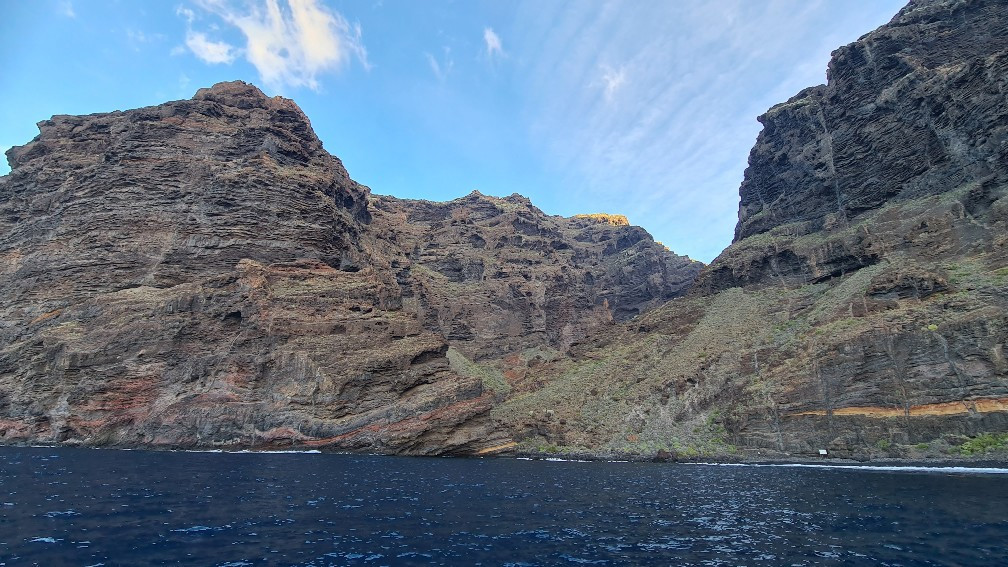
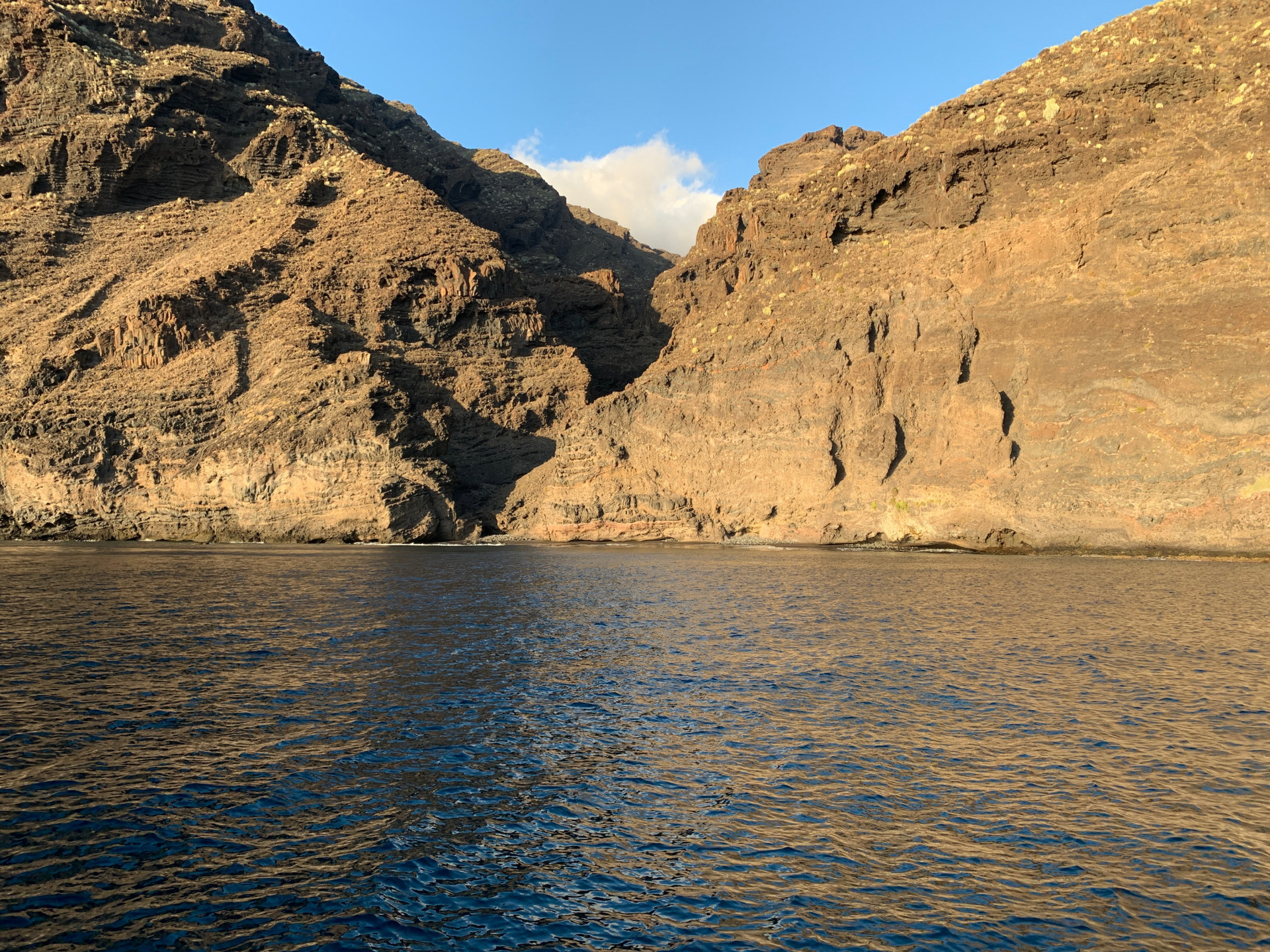
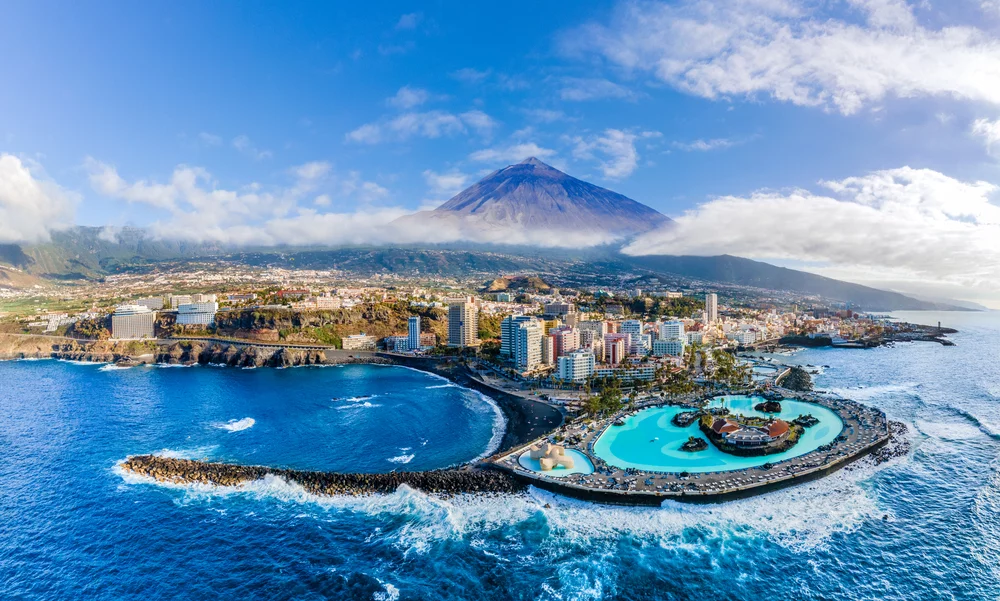
We recommend to stay in the Lee des Teide to get used to the conditions of blue water sailing. The day’s tack leads around the southern tip of Tenerife, past the tourist hotspots “Los Cristianos” and “Costa Adeje,” along the coast to the north. With the west coast on starboard, you will reach “Los Gigantes” after several hours. The town is well-known for the cliffs that rise vertically from the sea up to 450 m. The view is spectacular, both on land and on water. The port entrance lies in the north / northwest direction. Shallow waters make it challenging to enter the port due to swell and undertow.
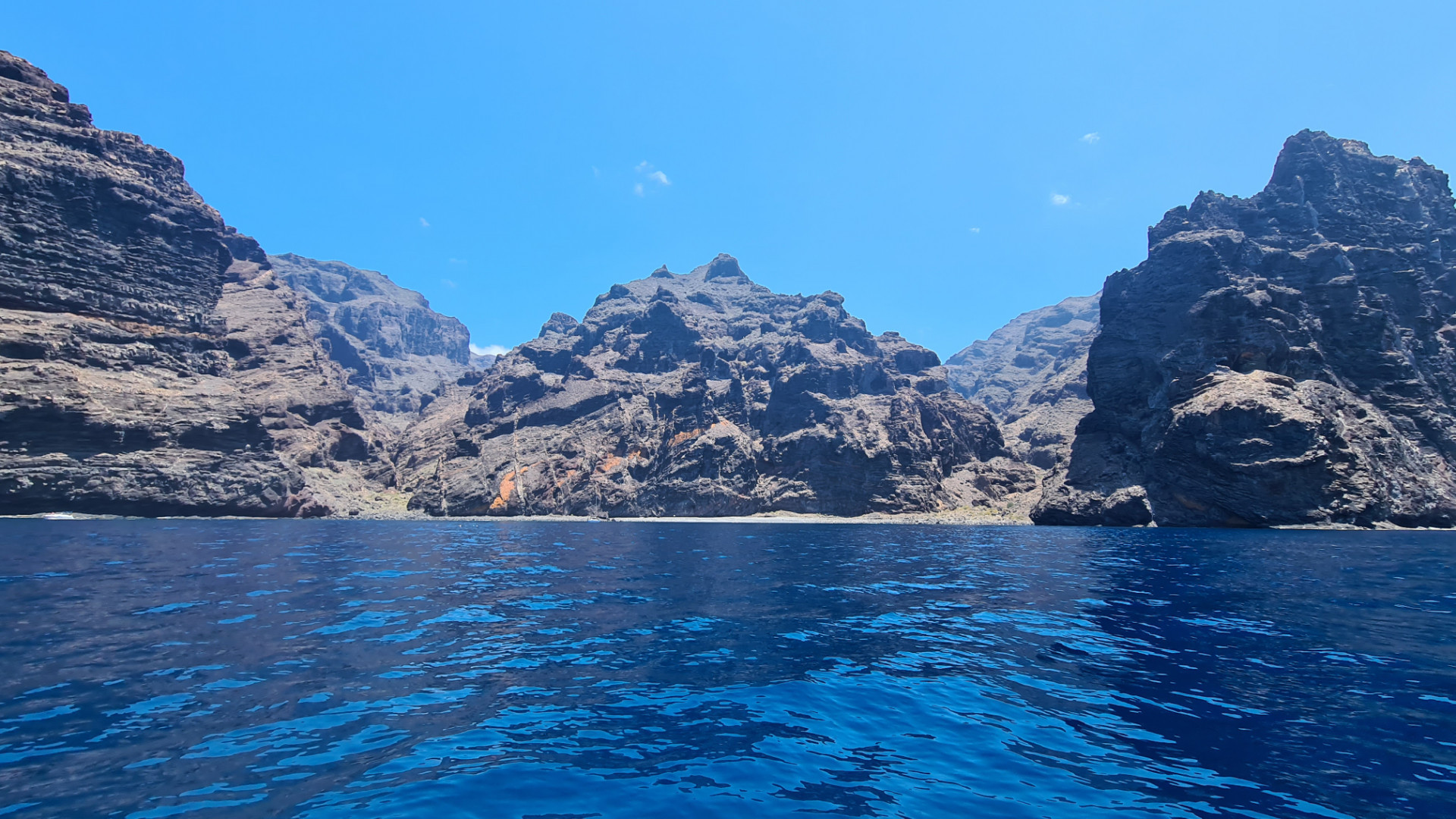
You may visit Playa de Masca with its pirate caves about 3 nm north of the port entrance of Los Gigantes, or go hiking on the famous cliffs. About 1 km from the marina, there is a Lidl supermarket and another 500 m further a Mercadona.
Day 3Santa Cruz de La Palma
55 nm12 hours
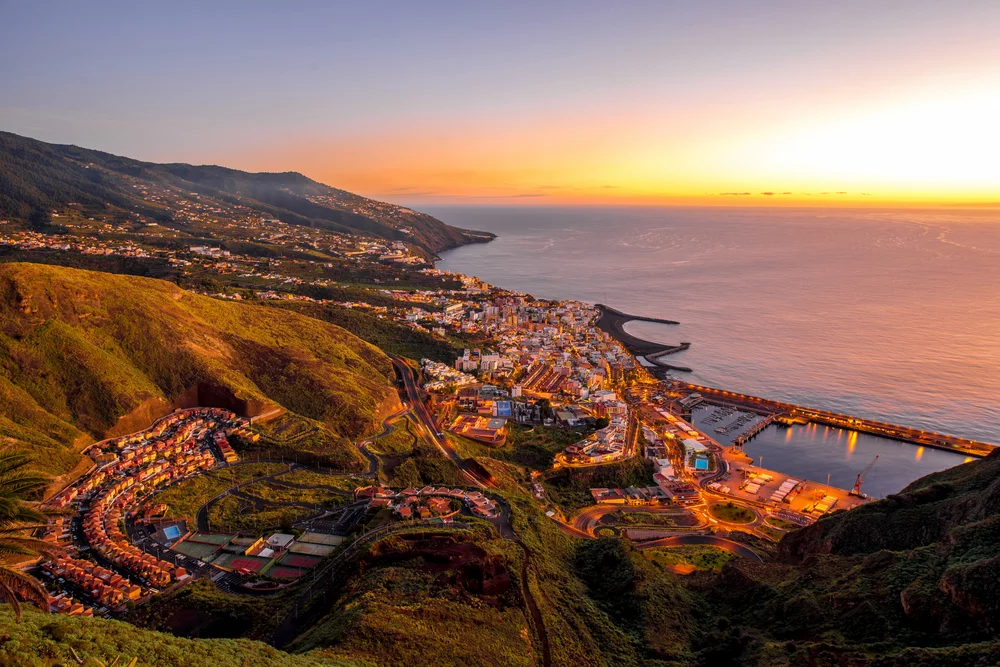
Wake up early to set up sails to Santa Cruz de La Palma. It is also known as the “Isla Verde,” which means “Green Island.” It earned this name because of the forests that cover more than 40% of the island. If you head up northwest, you leave the cliffs behind and leave Tenerife’s lee after about 13 nm. From this point on, the sea may get rough. Perhaps you are lucky enough to see or even be accompanied by the numerous whales and dolphins here during this day-long passage. After a long day at sea, La Palma is getting closer. The port offers you two marinas: a smaller one in the south and a new one in the north with large berths and room to maneuver. If you are not too tired from sailing, take a stroll through Santa Cruz.
Day 4Santa Cruz de La Palma
We recommend to take one day to explore the island. The numerous mountain passes lead you to the highest peak of La Palma, the “Roque de Los Muchachos.” Several observatories are situated on its ridge, making for an impressive sight. On a clear day, you can spot the neighboring islands “La Gomera,” “El Hierro,” and “Tenerife” on the horizon. Even if the weather’s not playing ball, you still have a magnificent view of La Palma. Visit local restaurants located in small villages that offer local specialties.
Day 5Valle Gran Rey, La Gomera
44 nm11 hours
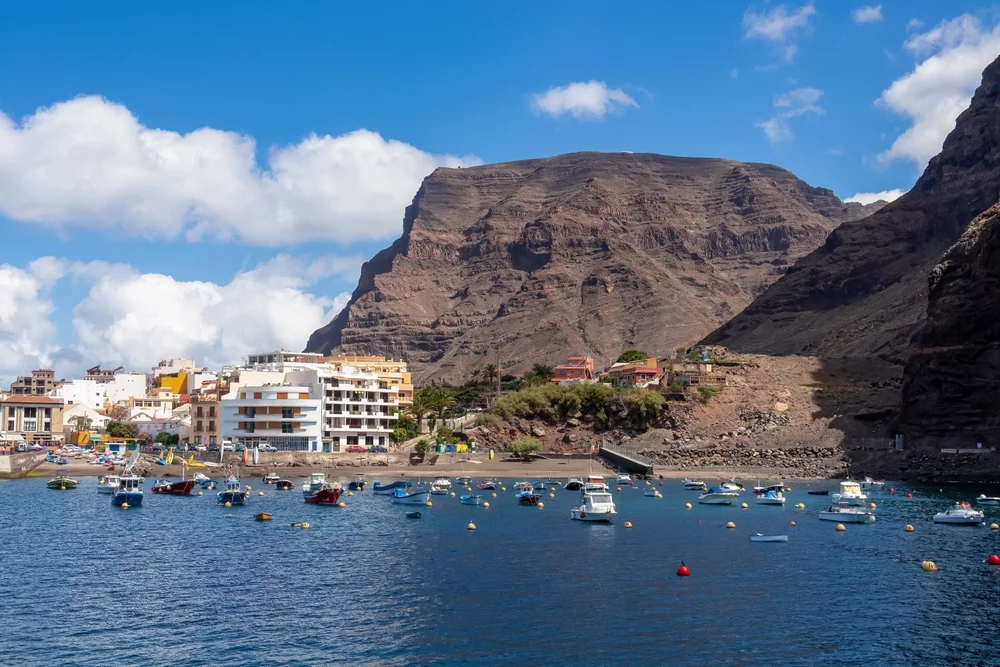
Set up sails for a long passage to La Gomera. With the north-east trade winds coming from the port side, you will leave Santa Cruz heading south-east. Today’s destination is “Valle Gran Rey,” is the most famous tourist destination in La Gomera and is located on the southwest coast.
Marina “Puerto Vueltas” is only used for small fishing boats, so you may park only along the quay and the south pier. You may also anchor in a bay near the port entrance. It is located half a nautical mile south-east of the port. Once moored you may explore the districts of “La Playa” and “Calera” Valle Gran Rey is considered the most important place for tourism, but you will find very few people there.
Day 6San Sebastian de La Gomera
16 nm4 hours
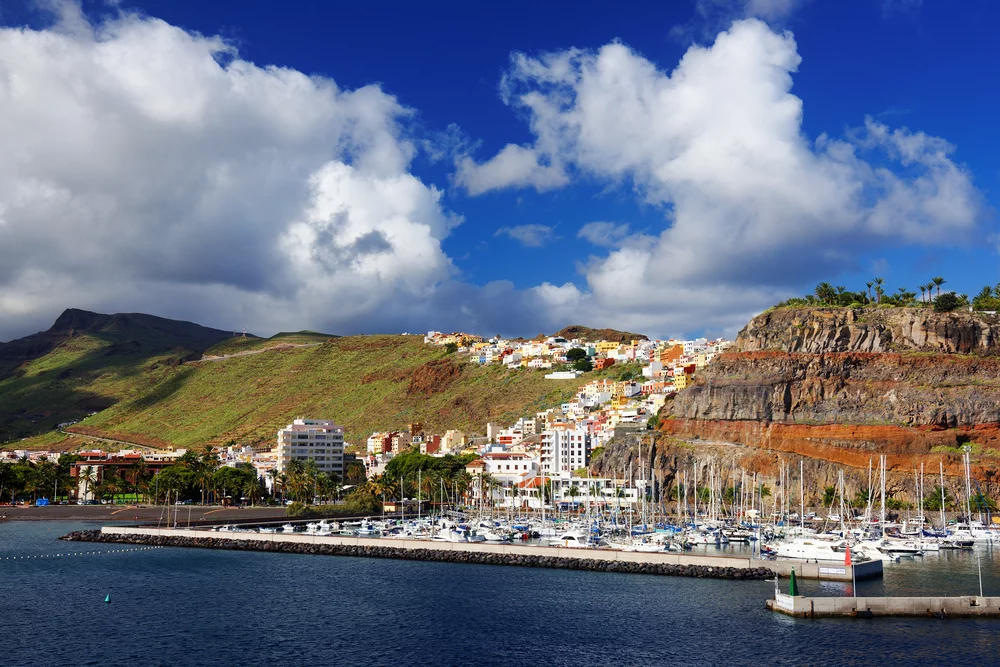
Your destination is the capital of the island - “San Sebastian”, located 18nm from Valley Gran Rey. This is a small town with a population of around 9000 that is known as the starting point for Christopher Columbus’ trip to India. Marina “San Sebastian” is protected by the ports in the northern part, it has electricity and water.
In the afternoon you may spend some time at Playa de San Sebastian or explore the tower “Torre del Conde”, the Columbus fountain, and the church “Nuestra Señora de la Asunción.”
If you rent a car you may visit Garajonay National Park with most extensive laurel forest on earth and countless hiking trails through unspoiled nature. With a bit of luck, you will be able to hear the unique whistle of the goatherds. Evening in one of the tapas bars.
Day 7Tenerife
28 nm7 hours
A week of sailing is coming to an end, and finally, it’s time to sail miles again. After sailing around the pier, you need to head easterly direction. With a bit of luck, you will have another chance to sail with whales and dolphins. If you have some time, you may sail to Playa de las Americas and stop for a swim in the sheltered bay “Playa del Camison” before heading back to Amarilla Marina in San Miguel.
Optional Stops Along the Route
Marina Amarilla en San Miguel
Marina
San Miguel Marina receives mixed feedback. Sailors value its good protection, proximity to the airport, and helpful staff. However, its isolated location makes access to shops and supermarkets difficult without a car.
Sailors appreciate the bay for its turquoise scenery, and a calm atmosphere that is much less hectic than the busier main port to the north. Anchoring is straightforward in settled weather, though the holding can be patchy in places. A small taverna ashore makes it a pleasant lunch stop on passage.
A scenic stop, this bay is valued for scenic beauty, tranquility, and pleasant atmosphere. Crystal-clear water and abundant marine life make it a favorite for swimming and diving. The bay is known as suitable for multi-day stays and is lauded for its natural charm and generally good anchoring conditions.
Sailors are mostly about this anchorage, praising the natural setting, volcanic cliffs, and clear water. The general consensus is that the bay is beautiful and peaceful, though Atlantic swell is often present. It's seen as a good stopover for those seeking a natural anchoring spot, though getting ashore is sometimes challenging.
Sailors often value the sheltered harbor, friendly atmosphere, and close proximity to shops and dining. Criticism centers on limited capacity, an abundance of charter boats, sometimes high prices, and instances of poor management during disputes.
Feedback on this anchorage is mixed. Sailors often note its practical location, proximity to town services, and clear water. However, the presence of many abandoned boats and sunken wrecks detracts from the environment’s appeal and tranquility.
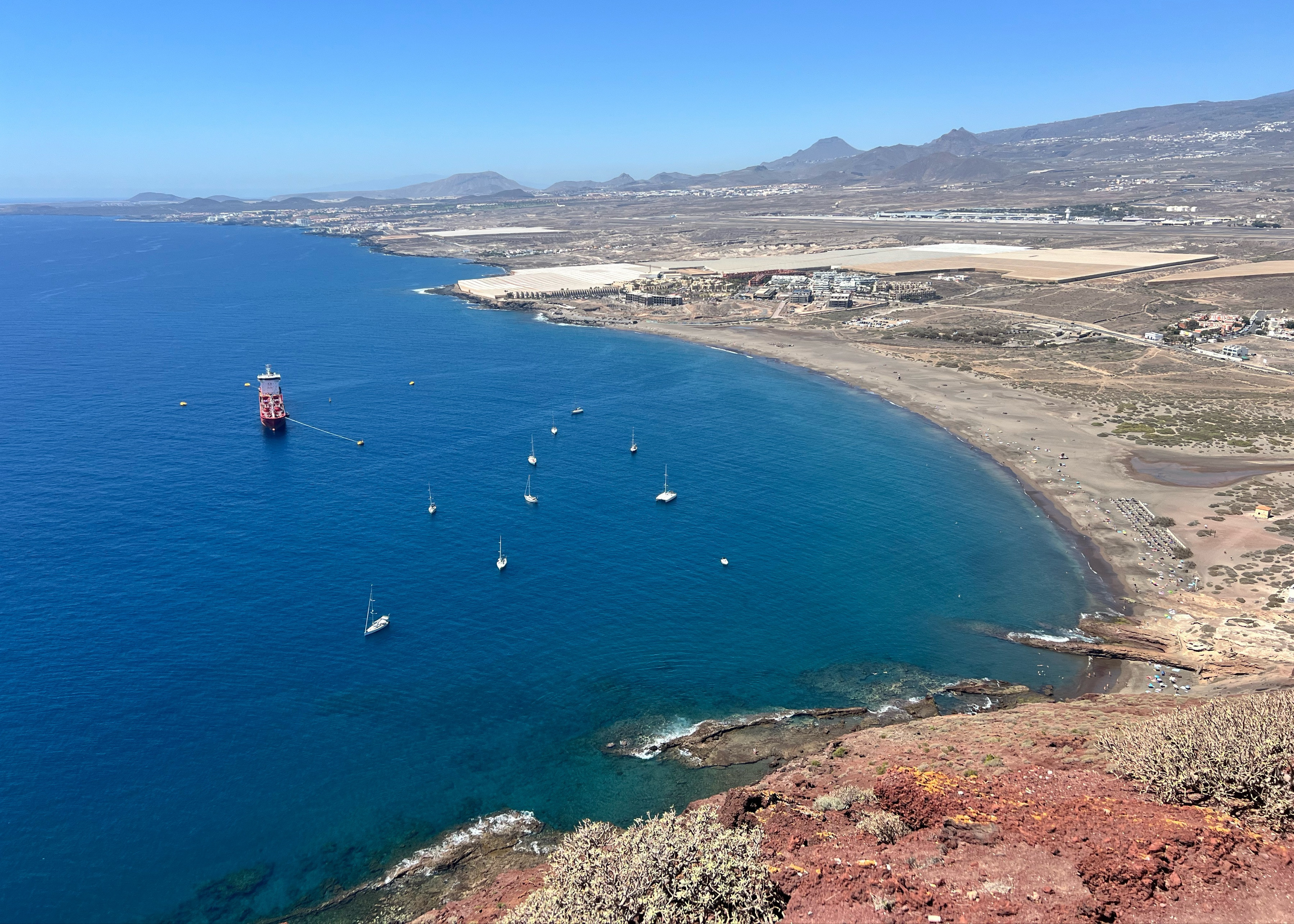
Sailors appreciate the bay's beauty, its striking natural setting, and the sandy beach—a rarity in Tenerife. The clear water and the proximity of Montaña Roja, suitable for hiking and panoramic views, are appreciated. Skippers may find the nearby airport, which results in occasional noise and bright lights at night, detracting from the ambiance for sensitive Sailors.
Sailors appreciate the bay for its turquoise scenery, and a calm atmosphere that is much less hectic than the busier main port to the north. Anchoring is straightforward in settled weather, though the holding can be patchy in places. A small taverna ashore makes it a pleasant lunch stop on passage.
A well-sheltered anchorage popular with flotillas passing through the channel. The village has a good supermarket and a few waterfront tavernas serving fresh fish. Fuel and water are available at the quay. Expect company in high season — arrive early to secure a stern-to berth.
Sailors generally view the anchorage favorably, highlighting clear water, scenic beauty (notably a pretty cliff), and easy nighttime approach thanks to navigational lights. Some note the urban surroundings as less appealing and mention few activities ashore. Occasional water pollution has been reported.
Impressions of the marina are mixed. While its location and wind protection are valued, Sailors often found berthing difficult and unsuitable for larger boats, requiring the use of an exposed concrete wall that offers poor protection. The marina is busy, with constant traffic from day boats, adding liveliness but also complications and noise.
Sailors indicate this anchorage is generally valued as a convenient, short-term stop near the harbor entrance. Several sailors suggest it for its proximity to town, easy dinghy access, and the lively harbor atmosphere, though some Sailors did not go ashore. This anchorage is best suited for temporary stops and quick visits to the nearby town.
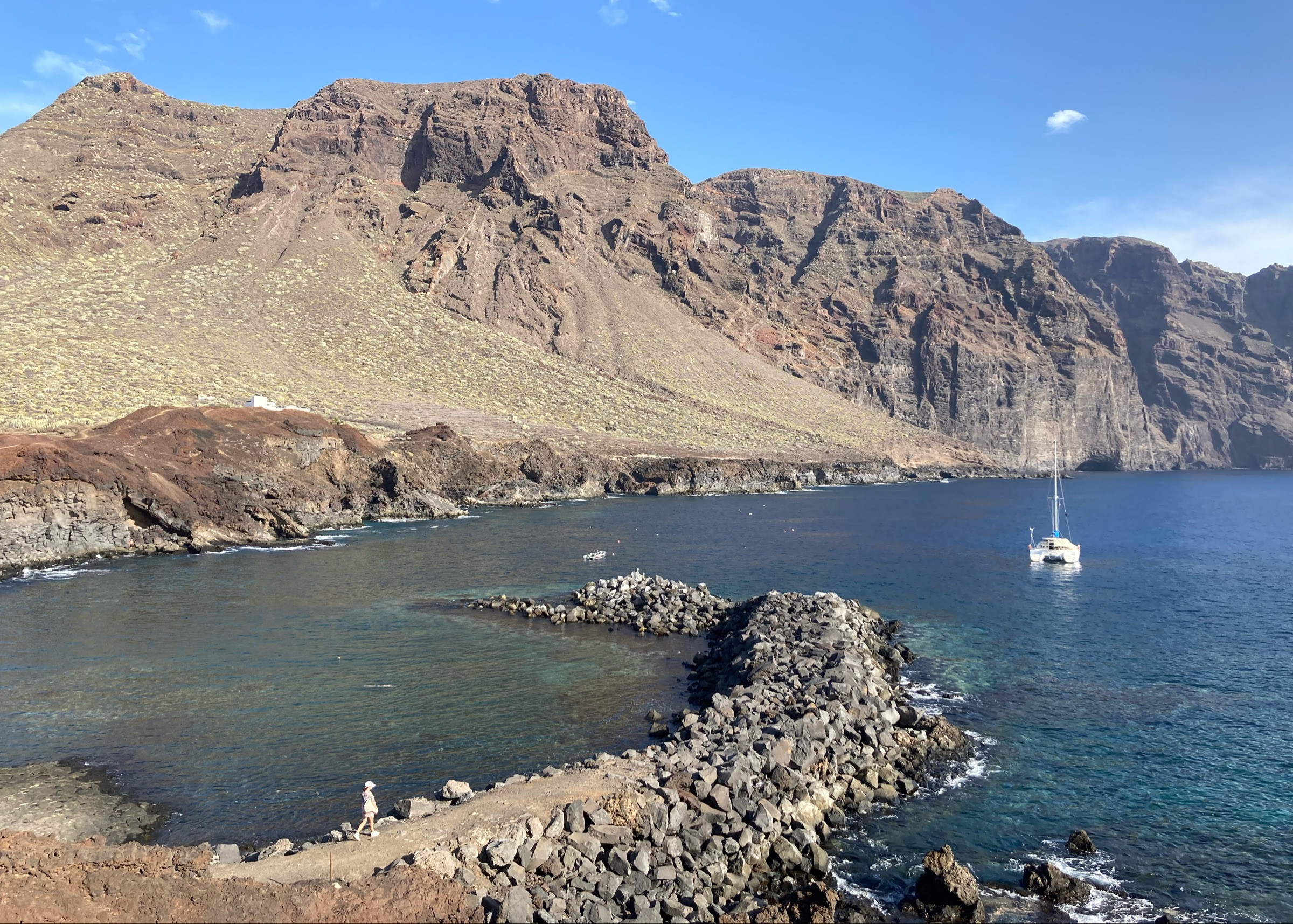
This anchorage is exceptionally beautiful and tranquil, featuring dramatic cliffs, impressive views over La Gomera, amazing sunsets, and abundant wildlife (birds, rays, various fish). It's ideal for hiking and snorkeling, with clear water and a wild, secluded environment creating a sense of exclusivity. Occasional fog and limited sun exposure, especially in the morning, are noted as minor drawbacks.
The anchorage is valued for stunning natural setting at the foot of towering cliffs, offering a peaceful and relaxing environment with a black sand beach. While the scenery and the calmness—especially at night—are recurring highlights, multiple skippers note that shoreside activities are extremely limited, with very little to do beyond a few steps on the beach. Hiking in the valley has become expensive and restrictive.
A well-sheltered anchorage popular with flotillas passing through the channel. The village has a good supermarket and a few waterfront tavernas serving fresh fish. Fuel and water are available at the quay. Expect company in high season — arrive early to secure a stern-to berth.
The Ermoúpoli marina in Syros is liked for its central location and charming town, with many shops, restaurants, and a vibrant atmosphere. While the lively setting is a major draw, the frequent and strong swell from ferries poses a significant recurring problem for mooring and comfort. Despite this, sailors generally consider it worth the stop due to the local vibe, reasonable prices, and easy access to island amenities.
Sailors appreciate the bay for its turquoise scenery, and a calm atmosphere that is much less hectic than the busier main port to the north. Anchoring is straightforward in settled weather, though the holding can be patchy in places. A small taverna ashore makes it a pleasant lunch stop on passage.
A well-sheltered anchorage popular with flotillas passing through the channel. The village has a good supermarket and a few waterfront tavernas serving fresh fish. Fuel and water are available at the quay. Expect company in high season — arrive early to secure a stern-to berth.
The Ermoúpoli marina in Syros is liked for its central location and charming town, with many shops, restaurants, and a vibrant atmosphere. While the lively setting is a major draw, the frequent and strong swell from ferries poses a significant recurring problem for mooring and comfort. Despite this, sailors generally consider it worth the stop due to the local vibe, reasonable prices, and easy access to island amenities.
This bay provides viewed as pleasant by sailors, with remarks about the beautiful setting, opportunities for snorkeling, and wildlife spotting, such as pilot whales. Access ashore is straightforward via a ramp, and activities like spearfishing are also enjoyed. While some noted noise from the anchor chain on rocky seabed during windy conditions, the experience is rated, particularly when the weather is calm.
Share your thoughts & ideas about sailing from Tenerife
We’d love to hear your comments and suggestions! Share with fellow sailors recommended marinas or coordinates of anchorages to stay for the night or even your favorite restaurant, winery or oyster farm.